Healthy bones and joints are essential for maintaining mobility, independence, and an active lifestyle. As we age, our bones naturally lose density, and our joints experience wear and tear, increasing the risk of conditions such as arthritis, osteoporosis, and fractures. However, adopting healthy habits early in life can help protect your musculoskeletal system and reduce the risk of future problems.
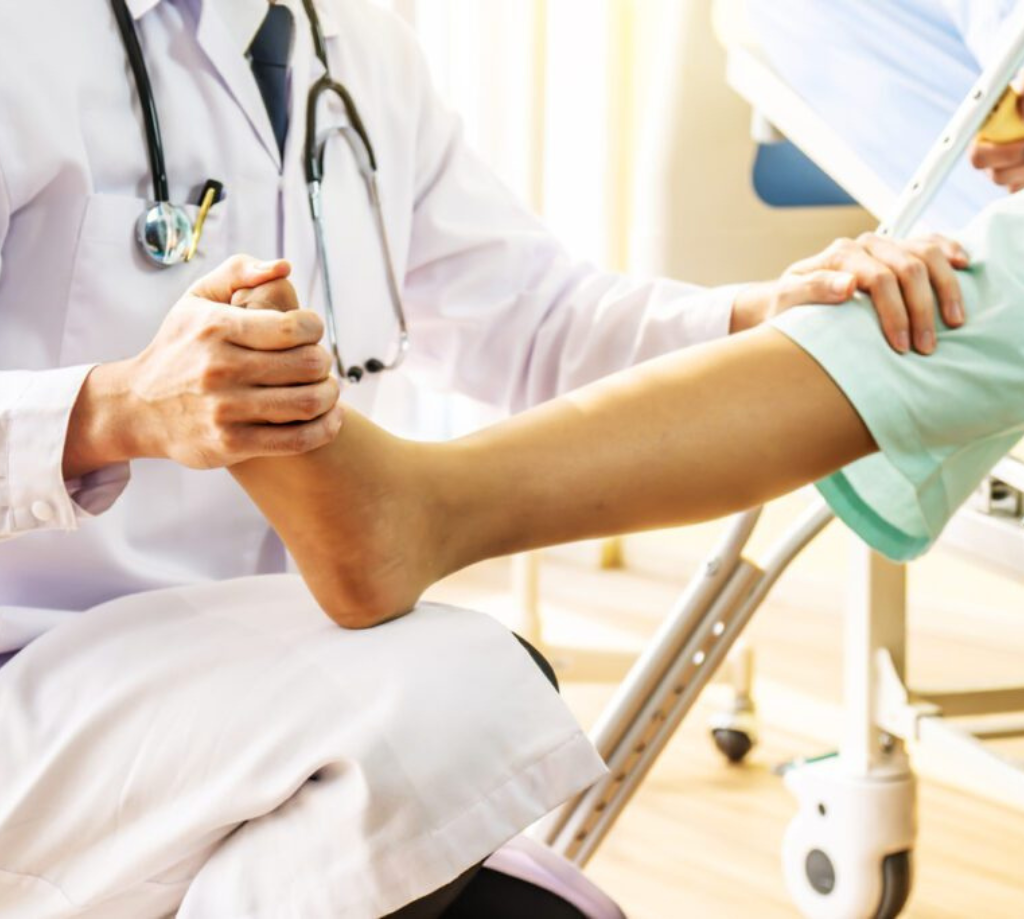
Whether you’re a young adult, middle-aged, or a senior, taking proactive steps to care for your bones and joints is vital. If you experience persistent pain or limited mobility, seeking Orthopedic Treatment in Baruipur from an experienced specialist can help diagnose and manage the condition before it worsens. Consulting an experienced Orthopedic Surgeon in Kolkata ensures you receive expert care tailored to your needs.
Why Bone and Joint Health Matters
Your bones provide structure and support for your body, while your joints allow smooth movement and flexibility. Together, they enable everyday activities such as walking, climbing stairs, lifting objects, and exercising.
Poor bone and joint health can lead to:
- Joint pain
- Reduced mobility
- Osteoporosis
- Arthritis
- Fractures
- Muscle weakness
- Loss of independence
Maintaining healthy bones and joints helps improve your quality of life and supports healthy ageing.
1. Eat a Calcium-Rich Diet
Calcium is one of the most important nutrients for strong bones.
Include calcium-rich foods such as:
- Milk
- Yoghurt
- Cheese
- Green leafy vegetables
- Almonds
- Sesame seeds
- Fortified foods
A balanced diet supports bone density and helps reduce the risk of osteoporosis.
2. Get Enough Vitamin D
Vitamin D helps your body absorb calcium effectively.
Natural sources include:
- Morning sunlight
- Fatty fish
- Egg yolks
- Fortified dairy products
If necessary, your doctor may recommend vitamin D supplements after evaluating your nutritional status.
3. Stay Physically Active
Regular exercise strengthens both bones and muscles while improving joint flexibility.
Recommended activities include:
- Walking
- Cycling
- Swimming
- Yoga
- Strength training
- Stretching exercises
Weight-bearing exercises are especially beneficial for maintaining bone density as you age.
4. Maintain a Healthy Body Weight
Excess body weight places additional pressure on weight-bearing joints such as the knees, hips, and ankles.
Maintaining a healthy weight helps:
- Reduce joint pain
- Improve mobility
- Lower arthritis risk
- Reduce stress on bones
Balanced nutrition and regular exercise are the best strategies for healthy weight management.
5. Protect Your Joints During Daily Activities
Simple lifestyle changes can reduce unnecessary strain on your joints.
Helpful tips include:
- Lift heavy objects correctly.
- Maintain proper posture.
- Avoid sitting for prolonged periods.
- Take regular movement breaks.
- Wear supportive footwear.
Practising proper body mechanics can prevent many common musculoskeletal injuries.
6. Strengthen Your Muscles
Strong muscles provide better support for your joints.
Incorporate exercises that improve:
- Leg strength
- Core stability
- Back muscles
- Shoulder strength
- Balance and coordination
Muscle strengthening also helps reduce the risk of falls and fractures in older adults.
7. Avoid Smoking and Excessive Alcohol
Smoking negatively affects bone density and slows healing after fractures.
Excessive alcohol consumption may also:
- Reduce calcium absorption
- Increase fall risk
- Delay bone healing
- Weaken muscles
Avoiding these habits contributes to better long-term bone health.
8. Prevent Falls
Falls are a leading cause of fractures, particularly among older adults.
To reduce fall risk:
- Keep floors clutter-free.
- Install adequate lighting.
- Use handrails where necessary.
- Wear non-slip footwear.
- Improve balance through regular exercise.
Fall prevention is one of the most effective ways to protect bone health.
9. Recognise Early Warning Signs
Many orthopedic conditions begin with mild symptoms that gradually worsen.
Consult a healthcare professional if you experience:
- Persistent joint pain
- Swelling
- Stiffness
- Difficulty walking
- Limited range of motion
- Recurrent back pain
- Frequent muscle weakness
Early diagnosis often results in more effective treatment and faster recovery.
Common Orthopedic Conditions
Orthopedic specialists diagnose and manage various bone, joint, and muscle disorders, including:
- Osteoarthritis
- Rheumatoid arthritis
- Osteoporosis
- Sports injuries
- Ligament injuries
- Tendon disorders
- Fractures
- Frozen shoulder
- Back and neck pain
- Knee pain
- Hip disorders
Timely medical evaluation helps prevent long-term disability and improves treatment outcomes.
The Importance of Early Orthopedic Care
Ignoring bone or joint pain may allow minor problems to become more serious over time.
Early orthopedic evaluation helps:
- Identify the underlying cause
- Prevent disease progression
- Improve mobility
- Reduce chronic pain
- Support faster recovery
- Avoid unnecessary complications
Modern orthopedic care includes accurate diagnosis, personalised treatment plans, physiotherapy guidance, medications, and surgical care when required.
When Should You Consult an Orthopedic Specialist?
You should seek medical attention if you experience:
- Persistent joint pain
- Difficulty walking
- Bone fractures
- Swollen joints
- Sports injuries
- Chronic back pain
- Knee or hip pain
- Limited joint movement
- Shoulder pain lasting several weeks
Prompt medical evaluation allows appropriate treatment before symptoms become severe.
Choosing the Right Orthopedic Specialist
Selecting an experienced orthopedic specialist is essential for receiving accurate diagnosis and effective treatment.
Look for:
- Clinical expertise
- Advanced diagnostic facilities
- Comprehensive orthopedic care
- Patient-focused treatment
- Rehabilitation support
- Convenient follow-up care
If you require Orthopedic Treatment in Baruipur, choosing a trusted healthcare centre ensures timely diagnosis and personalised care. For complex bone and joint conditions, consulting an experienced Orthopedic Surgeon in Kolkata can help restore mobility and improve your quality of life.
Protect Your Bones and Joints for a Healthier Future
Healthy bones and joints are the foundation of an active and independent life. Eating a balanced diet, staying physically active, maintaining a healthy weight, and seeking timely medical care can significantly reduce the risk of orthopedic problems.
Whether you are experiencing joint pain, recovering from an injury, or looking for preventive care, early Orthopedic Treatment in Baruipur can help you maintain long-term mobility and comfort. With guidance from an experienced Orthopedic Surgeon in Kolkata, you can protect your musculoskeletal health and continue enjoying an active lifestyle at every stage of life.