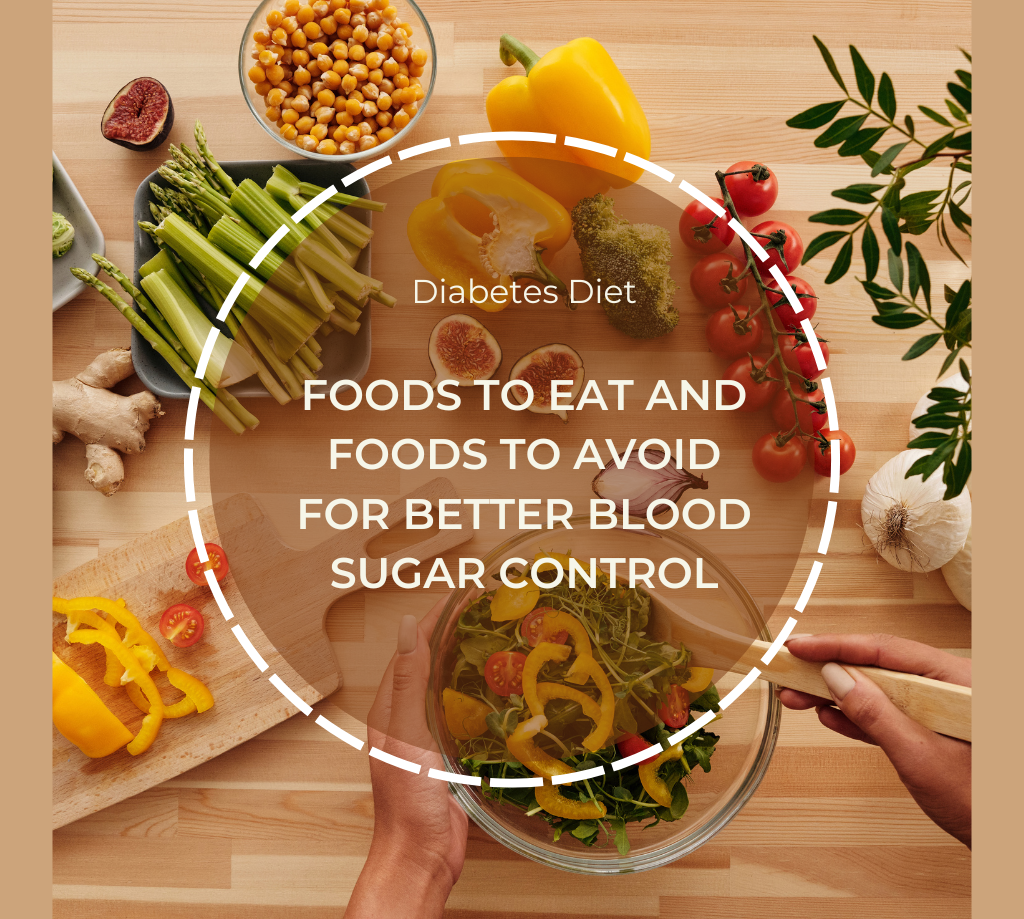
Managing diabetes goes beyond taking medication—it also requires making healthy dietary choices every day. A well-balanced diet plays a crucial role in controlling blood sugar levels, maintaining a healthy weight, and reducing the risk of long-term complications. Knowing which foods to include and which to limit can make a significant difference in your overall health.
Whether you have been recently diagnosed or have been living with diabetes for years, following the right eating habits can complement your Diabetes Treatment plan. Along with a balanced diet, regular monitoring and guidance from an experienced Diabetes Specialist are essential for effective diabetes management.
Why Diet Is Important in Diabetes Management
Food directly affects blood glucose levels. Choosing nutrient-rich foods in appropriate portions helps maintain steady blood sugar throughout the day and supports overall health.
A healthy diabetes diet can help:
- Improve blood sugar control
- Reduce cholesterol levels
- Maintain a healthy weight
- Lower the risk of heart disease
- Improve energy levels
- Support better long-term health
When combined with proper Diabetes Treatment, healthy eating can significantly improve your quality of life.
Foods to Eat for Better Diabetes Management
1. Whole Grains
Whole grains are rich in fibre, vitamins, and minerals. They digest more slowly than refined carbohydrates, helping prevent sudden spikes in blood sugar.
Good choices include:
- Brown rice
- Oats
- Whole wheat
- Quinoa
- Barley
- Millets
These foods provide sustained energy while supporting digestive health.
2. Fresh Vegetables
Non-starchy vegetables are low in calories and carbohydrates while being packed with essential nutrients.
Include vegetables such as:
- Spinach
- Broccoli
- Cauliflower
- Cabbage
- Cucumber
- Tomatoes
- Bell peppers
- Bottle gourd
Aim to fill at least half of your plate with vegetables during meals.
3. Lean Protein Sources
Protein helps keep you full for longer and supports muscle health without causing significant increases in blood sugar.
Healthy protein options include:
- Skinless chicken
- Fish
- Eggs
- Lentils
- Beans
- Chickpeas
- Tofu
- Low-fat paneer
Balanced protein intake also supports weight management.
4. Healthy Fruits
People with diabetes can still enjoy fruit in moderation.
Choose fruits with a lower glycemic index, including:
- Apples
- Pears
- Guava
- Oranges
- Berries
- Kiwi
Avoid consuming fruit juices, as they often contain concentrated sugars with less fibre.
5. Healthy Fats
Healthy fats support heart health, which is especially important for people living with diabetes.
Good sources include:
- Almonds
- Walnuts
- Flaxseeds
- Chia seeds
- Olive oil
- Avocados
Consume these foods in moderation as part of a balanced diet.
6. Low-Fat Dairy Products
Low-fat dairy provides calcium and protein while containing less saturated fat.
Healthy choices include:
- Skimmed milk
- Low-fat yoghurt
- Cottage cheese
These foods contribute to overall nutrition without excessive calories.
Foods to Avoid or Limit
1. Sugary Foods and Beverages
Foods high in added sugar can cause rapid increases in blood glucose levels.
Avoid:
- Soft drinks
- Packaged fruit juices
- Sweets
- Cakes
- Pastries
- Candies
Replacing sugary drinks with water or unsweetened beverages is a healthier option.
2. Refined Carbohydrates
Highly processed carbohydrates digest quickly and may cause blood sugar spikes.
Limit foods such as:
- White bread
- White rice
- Refined flour products
- Sugary breakfast cereals
Choose whole-grain alternatives whenever possible.
3. Fried and Processed Foods
Fried foods are often high in unhealthy fats and calories.
Reduce consumption of:
- French fries
- Fried snacks
- Fast food
- Processed meat
- Packaged chips
These foods may contribute to weight gain and increase cardiovascular risk.
4. Foods High in Saturated and Trans Fats
People with diabetes are at increased risk of heart disease.
Limit:
- Butter
- Ghee (in excess)
- Processed bakery products
- Cream
- Fatty cuts of meat
Choose healthier cooking oils and lean protein sources instead.
5. Excess Salt
Too much sodium increases the risk of high blood pressure, which commonly affects people with diabetes.
Reduce intake of:
- Pickles
- Processed snacks
- Instant noodles
- Packaged soups
- Processed foods
Preparing fresh meals at home helps control salt consumption.
Portion Control Matters
Even healthy foods should be consumed in appropriate portions.
Simple tips include:
- Eat smaller, balanced meals throughout the day.
- Avoid overeating.
- Use smaller plates.
- Include vegetables with every meal.
- Pair carbohydrates with protein and fibre.
- Avoid skipping meals.
Maintaining consistent meal timings can also help regulate blood sugar levels.
Stay Hydrated
Drinking enough water supports overall health and helps regulate blood sugar levels.
Aim to:
- Drink adequate water throughout the day.
- Limit sugary drinks.
- Choose unsweetened tea or coffee when appropriate.
- Stay hydrated during hot weather and physical activity.
Combine Healthy Eating with an Active Lifestyle
Diet alone is not enough to manage diabetes effectively.
Healthy lifestyle habits include:
- Walking regularly
- Moderate exercise
- Weight management
- Stress reduction
- Adequate sleep
- Regular blood sugar monitoring
These habits work together with your Diabetes Treatment plan to improve long-term health outcomes.
Why Regular Medical Follow-Up Is Important
Diabetes requires continuous monitoring because blood sugar levels can change over time.
Routine follow-up appointments help:
- Evaluate blood sugar control
- Adjust medications when necessary
- Monitor blood pressure
- Check cholesterol levels
- Detect complications early
- Review dietary habits
Working closely with a qualified Diabetes Specialist ensures that your treatment plan remains effective and personalised to your needs.
When Should You Consult a Diabetes Specialist?
Seek medical advice if you experience:
- Frequent urination
- Excessive thirst
- Unexplained weight loss
- Blurred vision
- Slow-healing wounds
- Persistent fatigue
- Numbness in the hands or feet
- Consistently high blood sugar readings
Early diagnosis and timely treatment help reduce the risk of serious complications affecting the heart, kidneys, eyes, and nerves.
Eat Smart for Better Diabetes Control
A healthy diet is one of the most powerful tools for managing diabetes. Choosing nutritious foods, controlling portion sizes, staying physically active, and following your prescribed Diabetes Treatment plan can help maintain stable blood sugar levels and improve overall well-being.
Regular consultations with an experienced Diabetes Specialist ensure you receive personalised guidance, ongoing monitoring, and the support needed to manage diabetes effectively. By making informed food choices and adopting a healthier lifestyle, you can reduce complications and enjoy a healthier, more active life.