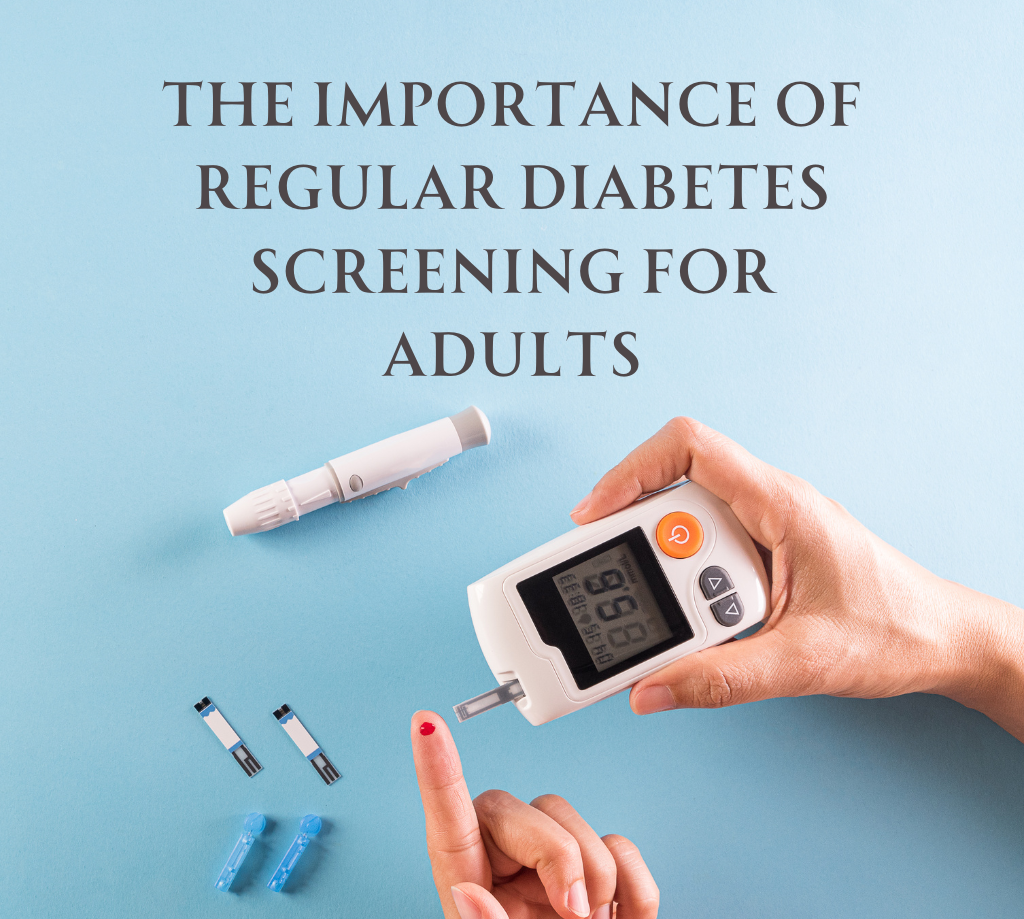
Imagine feeling completely fine — no unusual thirst, no excessive fatigue, no blurry vision — and yet having dangerously high blood sugar levels for years. This is the reality for millions of adults living with undiagnosed diabetes across India.
According to the International Diabetes Federation, India is home to over 77 million people with diabetes, with millions more in the prediabetic stage — completely unaware. Diabetes doesn’t always announce itself loudly. Many people carry it silently for years before it damages the heart, kidneys, eyes, or nerves.
This is why regular diabetes screening is not optional — it is essential.
If you’re looking for the best diabetes specialist in Baruipur or a diabetes doctor in Baruipur, this comprehensive guide will walk you through everything you need to know: what diabetes screening involves, who needs it, when to get tested, and what to do if your results are abnormal.
What Is Diabetes Screening?
Diabetes screening refers to the testing of individuals — even those without symptoms — to detect diabetes or prediabetes at the earliest possible stage. Early detection allows for timely intervention that can prevent or delay the progression of the disease and its complications.
Screening is different from diagnostic testing. Screening identifies people at risk or with undetected disease; diagnostic tests confirm whether a person has diabetes.
Types of Diabetes Affecting Adults
Before understanding screening, it’s helpful to know what we’re screening for:
- Prediabetes: Blood sugar is higher than normal but not yet high enough to be classified as diabetes. It is fully reversible with lifestyle changes.
- Type 2 Diabetes: The most common form in adults. The body either doesn’t produce enough insulin or doesn’t use it effectively.
- Type 1 Diabetes: An autoimmune condition where the pancreas produces little or no insulin. Less common in adults but still possible.
- Gestational Diabetes: Diabetes that develops during pregnancy. Women who’ve had gestational diabetes are at higher risk of Type 2 diabetes later in life.
Key Diabetes Screening Tests Explained
Fasting Plasma Glucose (FPG) Test
This is one of the most common screening tests. You fast for at least 8 hours, and then blood is drawn to measure your blood sugar level.
- Normal: Below 100 mg/dL
- Prediabetes: 100–125 mg/dL
- Diabetes: 126 mg/dL or above (confirmed on two separate tests)
HbA1c (Glycated Haemoglobin) Test
The HbA1c test measures your average blood sugar over the past 2–3 months. It does not require fasting and is widely used for both screening and monitoring.
- Normal: Below 5.7%
- Prediabetes: 5.7%–6.4%
- Diabetes: 6.5% or above
This is the test most commonly recommended by the best diabetes specialist in Baruipur for adults with risk factors, as it gives a reliable picture of long-term glucose control.
Oral Glucose Tolerance Test (OGTT)
The OGTT is particularly useful for detecting gestational diabetes or prediabetes. You drink a glucose solution, and blood sugar is measured at set intervals (typically at 1 and 2 hours).
- Normal (2-hour): Below 140 mg/dL
- Prediabetes: 140–199 mg/dL
- Diabetes: 200 mg/dL or above
Random Plasma Glucose Test
This can be done at any time, without fasting. A result of 200 mg/dL or higher, along with classic symptoms (increased thirst, frequent urination, unexplained weight loss), suggests diabetes.
Postprandial Blood Sugar (PPBS) Test
Measured two hours after a meal. A reading above 200 mg/dL on two separate occasions is indicative of diabetes.
Who Should Get Diabetes Screening? — Risk Factors to Know
The diabetes doctor in Baruipur advises screening for all adults who have one or more of the following risk factors:
High-Risk Groups for Diabetes
- Age 35 and above — Risk increases significantly with age
- Overweight or obese (BMI above 23 for South Asians)
- Family history of diabetes — Having a parent or sibling with diabetes doubles your risk
- Sedentary lifestyle — Physical inactivity is a major modifiable risk factor
- History of gestational diabetes or delivering a baby weighing more than 4 kg
- Polycystic Ovary Syndrome (PCOS) — Strongly linked to insulin resistance
- High blood pressure (above 140/90 mmHg)
- Abnormal cholesterol or triglyceride levels
- History of cardiovascular disease or stroke
- Prediabetes diagnosed previously
- Ethnicity — South Asians are genetically predisposed to developing Type 2 diabetes earlier and with lower BMI than Western populations
Note for residents of Baruipur and South Kolkata: Given the dietary patterns, genetic predisposition among South Asians, and increasing urbanisation, regular screening is especially important. The best diabetes specialist in Baruipur recommends testing at least once a year if you fall into any high-risk category.
Symptoms of Diabetes: What to Watch For
While many people have no symptoms, these warning signs should prompt immediate testing by a diabetes doctor in Baruipur:
- Excessive thirst (polydipsia) — drinking far more water than usual
- Frequent urination (polyuria) — especially at night
- Unexplained weight loss despite eating normally
- Constant hunger (polyphagia)
- Blurry or fluctuating vision
- Slow-healing wounds or frequent infections
- Tingling, numbness, or burning in hands or feet (neuropathy)
- Persistent fatigue and weakness
- Darkened skin patches in body folds (acanthosis nigricans) — a sign of insulin resistance
- Recurring skin infections or thrush
If you experience three or more of these symptoms, don’t delay — consult a diabetes specialist near Baruipur promptly.
Causes of Type 2 Diabetes
Understanding what causes diabetes helps in prevention and management:
- Insulin resistance — Cells don’t respond properly to insulin
- Pancreatic beta-cell dysfunction — The pancreas gradually loses its ability to produce enough insulin
- Genetic factors — Family history plays a significant role
- Unhealthy diet — High intake of refined carbohydrates, sugary drinks, and processed foods
- Physical inactivity — Reduces the body’s sensitivity to insulin
- Obesity — Especially abdominal (central) fat increases insulin resistance
- Stress and sleep deprivation — Both raise cortisol levels, which elevate blood sugar
- Certain medications — Steroids and antipsychotics can raise blood sugar levels
Complications of Untreated or Undiagnosed Diabetes
One of the main reasons the best diabetes specialist in Baruipur emphasises early screening is to prevent the devastating complications of long-term uncontrolled diabetes:
- Diabetic nephropathy — Kidney damage leading to chronic kidney disease or kidney failure
- Diabetic retinopathy — Damage to the blood vessels of the retina, leading to blindness
- Diabetic neuropathy — Nerve damage causing pain, numbness, or weakness
- Cardiovascular disease — Diabetes doubles the risk of heart attack and stroke
- Diabetic foot disease — Poor circulation and nerve damage can lead to non-healing ulcers and amputations
- Increased susceptibility to infections — Including TB, skin infections, and urinary tract infections
- Non-alcoholic fatty liver disease (NAFLD)
- Erectile dysfunction and sexual health issues
All of these complications are largely preventable with early diagnosis and proper management.
Diagnosis: Confirming Diabetes
A single abnormal result is rarely enough to diagnose diabetes definitively. The diabetes doctor in Baruipur typically follows established diagnostic criteria:
- Two separate fasting tests showing 126 mg/dL or above
- HbA1c of 6.5% or above on two occasions
- OGTT result of 200 mg/dL or above at 2 hours
- Random blood glucose of 200 mg/dL with classic symptoms
Once diagnosed, further tests may include kidney function tests, lipid profile, liver function tests, and thyroid function tests to assess for complications and associated conditions.
Treatment Options: Managing Diabetes Effectively
The best diabetes specialist in Baruipur designs personalised treatment plans based on the type and stage of diabetes:
Lifestyle Modifications (First-Line Treatment)
- Medical Nutrition Therapy (MNT): A dietitian-guided meal plan focusing on low glycaemic index foods, portion control, and reduced sugar and refined carbohydrate intake
- Physical Activity: At least 150 minutes of moderate-intensity exercise per week (brisk walking, cycling, swimming)
- Weight Management: Even a 5–10% reduction in body weight can significantly improve blood sugar levels
- Stress Management: Mindfulness, yoga, and adequate sleep are crucial
Medications for Diabetes
- Metformin — The first-line oral medication for Type 2 diabetes
- SGLT-2 inhibitors (e.g., dapagliflozin, empagliflozin) — Also protect the heart and kidneys
- GLP-1 receptor agonists — Aid weight loss and blood sugar control
- DPP-4 inhibitors (e.g., sitagliptin) — Gentle blood sugar control with low hypoglycaemia risk
- Sulfonylureas — Stimulate insulin secretion
- Insulin therapy — Required when oral medications are insufficient or in Type 1 diabetes
Monitoring Your Diabetes
- Self-monitoring of blood glucose (SMBG) with a glucometer
- HbA1c testing every 3–6 months
- Regular eye exams for retinopathy
- Annual kidney function tests (creatinine, UACR)
- Foot examinations at every visit
- Cholesterol and blood pressure monitoring
Prevention: Can Diabetes Be Prevented?
Yes — Type 2 diabetes and prediabetes are highly preventable. Studies like the landmark Diabetes Prevention Program (DPP) show that lifestyle changes can reduce the risk of developing Type 2 diabetes by up to 58% in high-risk individuals.
Evidence-Based Prevention Strategies:
- Achieve and maintain a healthy weight (BMI under 23 for South Asians)
- Engage in at least 30 minutes of moderate physical activity most days of the week
- Eat a plant-forward, low-glycaemic diet rich in fibre, vegetables, legumes, and whole grains
- Limit sugary beverages, refined carbohydrates, and ultra-processed foods
- Quit smoking — smokers are 30–40% more likely to develop Type 2 diabetes
- Limit alcohol intake
- Get 7–8 hours of quality sleep per night
- Manage chronic stress through relaxation techniques
Get screened regularly — the single most important thing you can do if you’re at risk.
When to Consult the Best Diabetes Specialist in Baruipur
See a diabetes doctor in Baruipur immediately if:
- Your fasting blood sugar is 100 mg/dL or above
- Your HbA1c is 5.7% or above
- You experience any classic symptoms of diabetes
- You have two or more diabetes risk factors and haven’t been tested in the past year
- You’re pregnant or planning to become pregnant (gestational diabetes screening is essential)
- You’ve been diagnosed with diabetes and your current treatment isn’t controlling your blood sugar well
The best diabetes specialist in Baruipur offers comprehensive care including diabetes diagnosis, medication management, dietary counselling, and screening for complications — all in one place.
Frequently Asked Questions (FAQ)
Q1: At what age should adults start diabetes screening?
A: The American Diabetes Association and Indian health guidelines recommend that adults begin diabetes screening at age 35, or earlier if risk factors are present (obesity, family history, PCOS, gestational diabetes, etc.). South Asians are advised to start screening at a lower BMI threshold (23 instead of 25) because they develop metabolic complications earlier. If initial results are normal and you have no risk factors, re-screen every 3 years.
Q2: What is the difference between prediabetes and diabetes?
A: Prediabetes means your blood sugar is higher than normal but not yet high enough to be classified as Type 2 diabetes (fasting glucose: 100–125 mg/dL; HbA1c: 5.7%–6.4%). It is a warning stage — and crucially, it is fully reversible with lifestyle changes. Diabetes is diagnosed when fasting glucose reaches 126 mg/dL or above or HbA1c is 6.5% or above on two separate tests. Consulting the best diabetes specialist in Baruipur at the prediabetes stage gives you the best chance of preventing full diabetes.
Q3: Does the HbA1c test require fasting?
A: No — the HbA1c test does not require fasting. It measures your average blood glucose over the past 2–3 months by assessing the percentage of haemoglobin coated with sugar. This makes it a convenient and reliable screening and monitoring tool. Your diabetes doctor in Baruipur may use it alongside a fasting blood glucose test for a complete picture.
Q4: Can diabetes be cured completely?
A: Type 1 diabetes currently cannot be cured. However, Type 2 diabetes can go into remission — especially with significant weight loss, a strict dietary overhaul, and exercise — meaning blood sugar returns to normal levels without medication. This is more achievable in the early stages of the disease. While remission is not a “cure” (risk remains), it is a powerful achievable goal. The best diabetes specialist in Baruipur can help you explore whether remission is possible for your situation.
Q5: Is diabetes screening painful or expensive?
A: Diabetes screening tests are simple, quick, and minimally invasive. A fasting blood glucose test and HbA1c test require only a small blood sample drawn from a vein or a finger prick — taking just a few minutes. These tests are widely available and affordable at most diagnostic labs and clinics in Baruipur and Kolkata. The cost of early screening is far lower than treating diabetes complications.
Q6: What should I do if I’m diagnosed with prediabetes?
A: Don’t panic — prediabetes is your opportunity to reverse the trajectory before it becomes diabetes. Under the guidance of a diabetes doctor in Baruipur, you should: (1) adopt a healthier, lower-carbohydrate diet; (2) begin regular physical activity; (3) lose 5–10% of your body weight if overweight; (4) stop smoking if applicable; and (5) get your blood sugar rechecked every 3–6 months. In some cases, your doctor may prescribe metformin for additional protection.
Conclusion: Early Screening Saves Lives — Don’t Wait for Symptoms
Diabetes is one of the most preventable and manageable chronic diseases — but only when detected early. Waiting for symptoms to appear means waiting for damage to occur. And by the time damage shows up in your kidneys, eyes, or nerves, it may already be irreversible.
Regular diabetes screening is an act of self-care and self-preservation. It takes just a few minutes and a small blood sample to potentially save your vision, your kidneys, your heart — and your life.
Whether you’re concerned about your family history, your weight, your blood sugar levels, or simply haven’t had a check in a while, now is the right time to act.
Schedule your diabetes screening today. Reach out to the best diabetes specialist in Baruipur for expert evaluation, compassionate care, and a personalised health plan. Your future self will thank you.