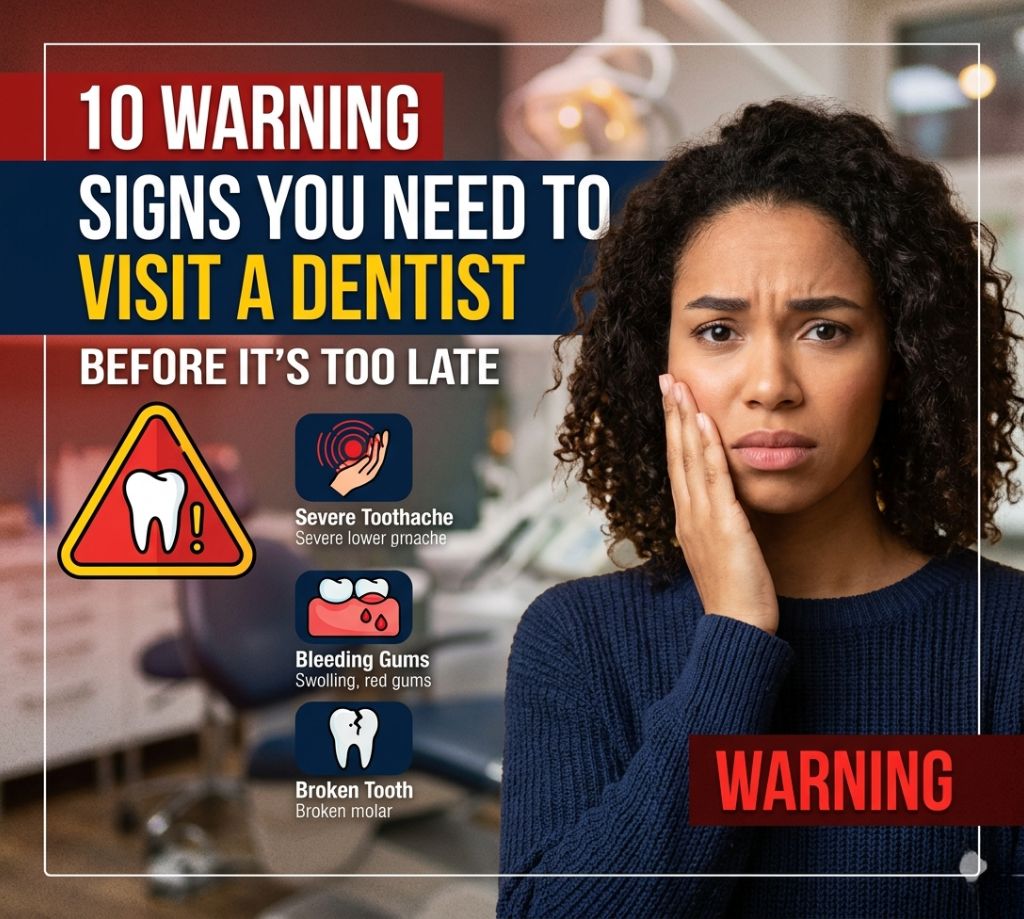
Oral health is often overlooked until discomfort turns into unbearable pain. However, many dental problems show early warning signs that shouldn’t be ignored. Recognizing these symptoms in time can help prevent serious complications, costly treatments, and long-term damage. If you’ve been delaying your dental visit, this guide will help you understand when it’s time to take action.
Why Early Dental Care Matters
Preventive dental care is the foundation of a healthy smile. Regular check-ups not only keep your teeth clean but also help detect issues like cavities, gum disease, and infections before they worsen. Ignoring early signs can lead to tooth loss, infections, or even health complications beyond your mouth.
10 Warning Signs You Shouldn’t Ignore
1. Persistent Tooth Pain
Tooth pain is one of the most common signs of a dental problem. Whether it’s sharp, throbbing, or constant, pain usually indicates decay, infection, or nerve damage.
2. Bleeding Gums
If your gums bleed while brushing or flossing, it may be a sign of gum disease. Early-stage gingivitis can progress into severe periodontal disease if untreated.
3. Bad Breath That Won’t Go Away
Chronic bad breath, also known as halitosis, may signal underlying dental issues like infections, cavities, or gum disease.
4. Sensitivity to Hot and Cold
If you feel discomfort while consuming hot or cold foods, it may indicate enamel erosion, cavities, or exposed tooth roots.
5. Swollen or Red Gums
Healthy gums should be firm and pink. Swelling, redness, or tenderness may suggest infection or gum disease.
6. Loose Teeth
Adult teeth should never feel loose. This could indicate bone loss due to advanced gum disease and requires immediate attention.
7. Sores or Ulcers That Don’t Heal
Mouth sores that persist for more than two weeks should be examined, as they may indicate infections or more serious conditions.
8. Difficulty Chewing or Biting
Pain or discomfort while chewing could signal tooth damage, cavities, or alignment issues.
9. Dry Mouth
A lack of saliva can increase the risk of tooth decay and gum disease. Dry mouth may also be linked to medications or underlying health conditions.
10. Jaw Pain or Clicking
Pain in the jaw or a clicking sound while opening your mouth could be related to temporomandibular joint (TMJ) disorders.
When to See a Dentist Immediately
Severe Pain or Swelling
If you experience intense pain or facial swelling, it may indicate an abscess or serious infection that requires urgent care.
Bleeding That Doesn’t Stop
Continuous bleeding after brushing or injury is not normal and needs professional evaluation.
Broken or Knocked-Out Tooth
Accidents can happen anytime. Immediate dental care can sometimes save a damaged or lost tooth.
Choosing the Right Dental Care
Selecting the right dental professional is essential for maintaining long-term oral health. If you are looking for the Best dentist in baruipur, kolkata, ensure the clinic offers modern facilities, experienced professionals, and a patient-friendly approach. Similarly, finding the Best dentist in south 24 pargana can ensure timely diagnosis and effective treatment tailored to your needs.
Tips to Maintain Good Oral Health
Maintain Proper Oral Hygiene
Brush twice a day and floss regularly to remove plaque and prevent decay.
Limit Sugary Foods
Excess sugar contributes to tooth decay and cavities. Maintain a balanced diet for healthier teeth.
Stay Hydrated
Drinking water helps wash away food particles and bacteria, keeping your mouth clean.
Visit Your Dentist Regularly
Routine dental check-ups every six months can prevent major issues and keep your smile healthy.
FAQs
How often should I visit a dentist?
It is recommended to visit a dentist every six months for routine check-ups and cleanings.
Is bleeding gums a serious problem?
Yes, bleeding gums can be an early sign of gum disease and should not be ignored.
What causes tooth sensitivity?
Tooth sensitivity can result from enamel erosion, cavities, or exposed tooth roots.
Can bad breath be a sign of dental issues?
Persistent bad breath may indicate gum disease, cavities, or oral infections.
When should I seek emergency dental care?
You should seek immediate care if you experience severe pain, swelling, or a knocked-out tooth.