Bleeding gums are a common oral health issue that many people experience at some point in their lives. While it may seem minor, especially if it only happens occasionally when your gums bleed when brushing, it can often be an early warning sign of a more serious dental problem.
Understanding the bleeding gums causes and knowing how to manage them effectively is essential for maintaining good oral hygiene and preventing long-term complications. This guide provides a complete overview of why gums bleed, how to treat the condition, and when to seek professional help.
What Are Bleeding Gums?
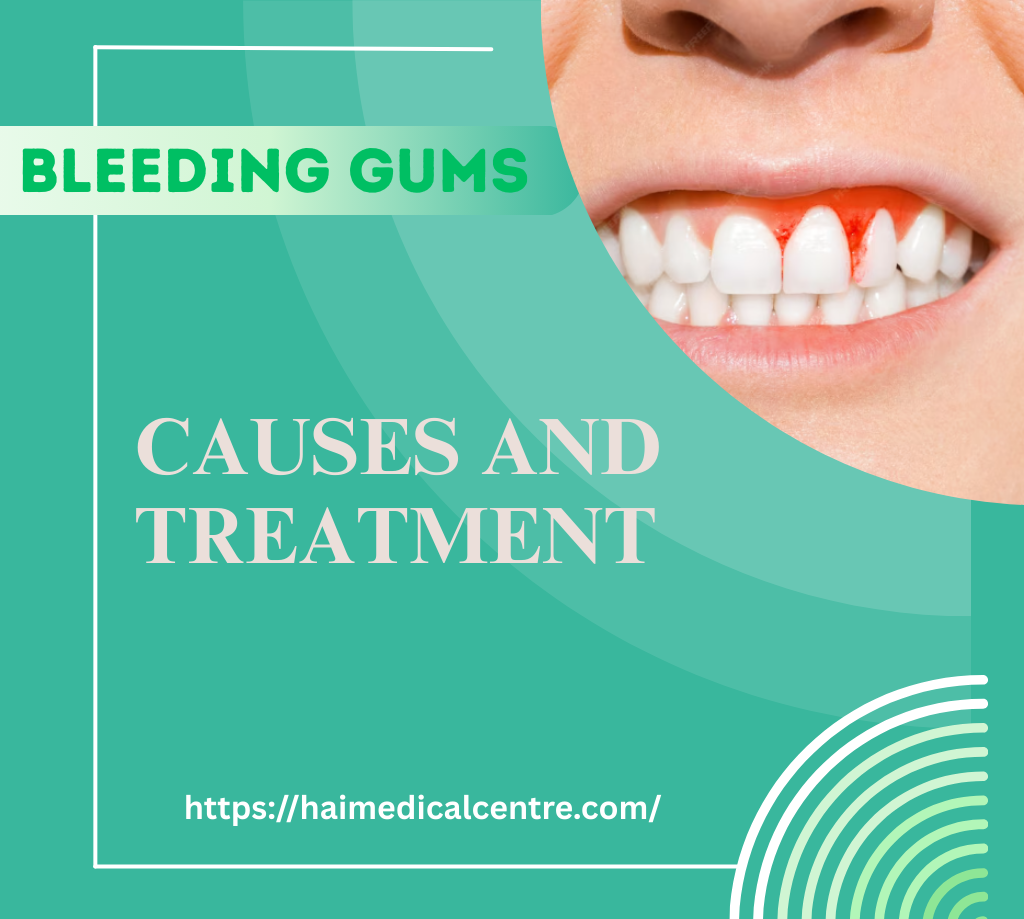
Bleeding gums occur when the soft tissue surrounding your teeth becomes inflamed or damaged. This often leads to visible bleeding during brushing, flossing, or even while eating. In many cases, bleeding is accompanied by red swollen gums, tenderness, and sensitivity.
Healthy gums should not bleed easily. If you notice frequent bleeding, it is a sign that your gums require immediate attention.
Common Causes of Bleeding Gums
There are several factors that can contribute to gum bleeding. Identifying the root cause is the first step toward effective bleeding gums treatment.
Gum Disease (Gingivitis and Periodontitis)
The most common cause of bleeding gums is gum disease. Gingivitis, the early stage, occurs due to plaque buildup along the gumline. This leads to inflammation, redness, and bleeding. If left untreated, it can progress into periodontitis, a more severe condition that can damage the supporting structures of the teeth.
Poor Oral Hygiene
Inconsistent brushing and flossing allow plaque and bacteria to accumulate. Over time, this buildup irritates the gums, making them more prone to bleeding.
Vitamin Deficiencies
Deficiencies in essential nutrients, especially Vitamin C and Vitamin K, can weaken gum tissues and increase the risk of bleeding.
Hormonal Changes
Hormonal fluctuations during pregnancy, puberty, or menstruation can make gums more sensitive and susceptible to inflammation and bleeding.
Aggressive Brushing Habits
Using a hard-bristled toothbrush or brushing too forcefully can damage gum tissue, leading to sensitive bleeding gums.
Medical Conditions and Medications
Certain health conditions, such as diabetes, and medications like blood thinners can contribute to gum bleeding.
Symptoms That Indicate a Serious Problem
While occasional bleeding may not be alarming, the following symptoms should not be ignored:
- Gums bleed when brushing regularly
- Persistent bad breath
- Swelling and pain in the gums
- Gum recession
- Loose or shifting teeth
These signs may indicate advanced gum disease and require immediate professional care.
Effective Treatments for Bleeding Gums
The right bleeding gums treatment depends on the severity of the condition and its underlying cause.
Improving Oral Hygiene
The foundation of treatment is maintaining proper oral care:
- Brush your teeth twice daily using a soft-bristled toothbrush
- Floss regularly to remove plaque between teeth
- Use an antibacterial mouthwash to reduce bacteria
Consistent oral hygiene can significantly reduce gum inflammation and prevent further damage.
Home Remedies for Mild Cases
In the early stages, simple home remedies can help manage symptoms:
- Rinse your mouth with warm salt water to reduce inflammation
- Apply a cold compress to ease swelling
- Maintain a balanced diet rich in vitamins and minerals
These methods are effective for mild cases but may not be sufficient for more advanced conditions.
Professional Dental Treatments
If the condition persists, visiting a Dentist in Kolkata is essential. Professional care ensures accurate diagnosis and targeted treatment. Common procedures include:
- Scaling and polishing to remove plaque and tartar buildup
- Deep cleaning procedures for advanced gum disease
- Prescription medications to control infection
- Periodontal therapy for severe cases
Seeking treatment at a trusted Dental Clinic in Kolkata can help prevent complications and restore gum health.
How to Prevent Bleeding Gums
Preventive care plays a vital role in avoiding gum problems. Adopting the following habits can help maintain healthy gums:
- Practice consistent oral hygiene
- Replace your toothbrush every three months
- Avoid smoking and tobacco products
- Eat a nutrient-rich diet to support gum health
- Visit a dentist regularly for checkups and cleanings
Prevention not only protects your gums but also contributes to overall oral health.
When to Visit a Dental Clinic
If you experience persistent bleeding for more than a week, even after improving your oral care routine, it is important to seek professional help. A qualified professional at a Dental Clinic in Kolkata can evaluate your condition and recommend the most appropriate treatment.
Delaying treatment can lead to more severe issues, including tooth loss and infections that may affect overall health.
Why Professional Care Is Important
Ignoring bleeding gums can allow the condition to worsen over time. Consulting an experienced Dentist in Kolkata offers several benefits:
- Early detection of underlying dental issues
- Access to advanced treatment options
- Personalized care tailored to your needs
- Long-term prevention strategies
Professional care ensures that the root cause of the problem is addressed effectively.
Final Thoughts
Bleeding gums should never be ignored, as they are often an early indication of underlying oral health issues. Whether caused by poor hygiene, gum disease, or other factors, timely intervention is essential.
By maintaining proper oral care and seeking treatment from a reliable Dental Clinic in Kolkata, you can effectively manage the condition and prevent long-term complications. Healthy gums are the foundation of a healthy smile, and taking proactive steps today can ensure better oral health in the future.
Frequently Asked Questions (FAQs)
Why do my gums bleed when brushing?
This is usually caused by plaque buildup, gum inflammation, or brushing too hard. It may also indicate early gum disease.
Are bleeding gums a sign of gum disease?
Yes, bleeding gums are often one of the earliest signs of gingivitis, which can progress if not treated.
How can I stop bleeding gums quickly?
Improving oral hygiene, using a soft toothbrush, and rinsing with salt water can help. Persistent issues require professional treatment.
Can diet affect gum health?
Yes, a lack of essential vitamins, especially Vitamin C, can weaken gums and lead to bleeding.
When should I consult a dentist?
If bleeding continues for more than seven days or is accompanied by swelling, pain, or bad breath, you should seek professional care.