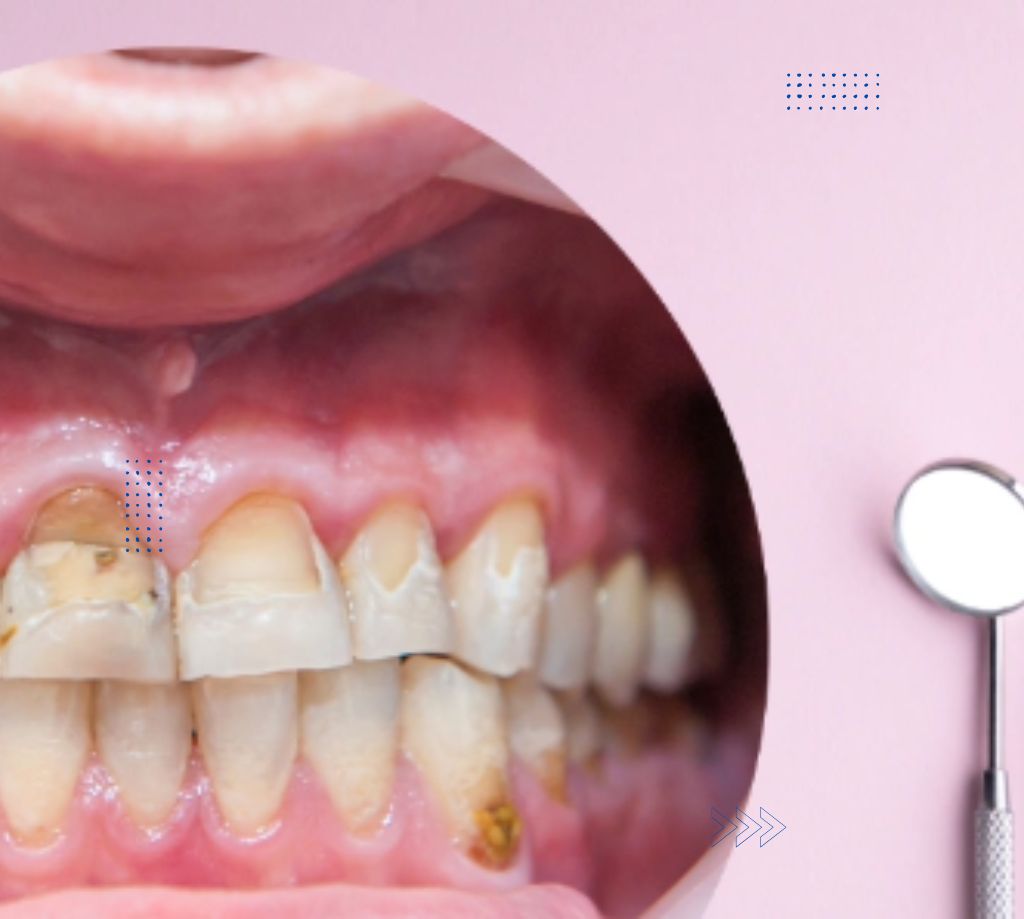
Oral health plays a major role in overall well-being. Healthy teeth and gums not only help you smile confidently but also support proper digestion, speech, and daily comfort. However, many people ignore dental hygiene until they start experiencing pain or discomfort. Regular dental care and awareness can help prevent several common oral health issues before they become serious.
In this blog, we will discuss seven common dental problems, their causes, symptoms, and practical ways to prevent them.
1. Tooth Decay (Cavities)
Tooth decay is one of the most common dental problems affecting people of all ages. It occurs when plaque, a sticky layer of bacteria, builds up on teeth and produces acids that damage tooth enamel.
Common Causes
- Poor oral hygiene
- Excessive sugar consumption
- Frequent snacking
- Lack of fluoride
- Irregular dental checkups
Symptoms
- Tooth sensitivity
- Pain while eating sweets or hot/cold foods
- Visible holes or dark spots on teeth
- Toothache
Prevention Tips
- Brush twice daily using fluoride toothpaste
- Floss regularly to remove food particles
- Limit sugary foods and beverages
- Visit the dentist for routine cleanings
- Drink plenty of water
Early treatment of cavities can prevent severe tooth damage and expensive dental procedures.
2. Gum Disease
Gum disease, also known as periodontal disease, affects the gums and supporting structures of the teeth. It usually begins as gingivitis, causing inflammation and bleeding gums. If untreated, it may progress to periodontitis, leading to tooth loss.
Common Causes
- Plaque buildup
- Smoking
- Diabetes
- Poor oral hygiene
- Hormonal changes
Symptoms
- Swollen or red gums
- Bleeding while brushing
- Persistent bad breath
- Receding gums
- Loose teeth
Prevention Tips
- Brush and floss daily
- Avoid tobacco products
- Maintain regular dental visits
- Eat a balanced diet rich in vitamins
- Clean your tongue regularly
Healthy gums are essential for maintaining strong teeth and overall oral health.
3. Tooth Sensitivity
Tooth sensitivity occurs when the protective enamel wears down, exposing the inner layer of the tooth. This can make teeth react painfully to hot, cold, sweet, or acidic foods.
Common Causes
- Aggressive brushing
- Worn enamel
- Gum recession
- Cracked teeth
- Teeth grinding
Symptoms
- Sharp pain when consuming hot or cold foods
- Discomfort while brushing
- Sensitivity to sweets or acidic drinks
Prevention Tips
- Use a soft-bristled toothbrush
- Avoid brushing too hard
- Use toothpaste designed for sensitive teeth
- Reduce acidic food intake
- Wear a mouthguard if you grind your teeth
Ignoring sensitivity may lead to more serious dental complications over time.
4. Bad Breath (Halitosis)
Bad breath can affect confidence and social interactions. It is often caused by poor oral hygiene but may also indicate underlying dental or health issues.
Common Causes
- Poor brushing habits
- Gum disease
- Dry mouth
- Smoking
- Food particles trapped between teeth
Symptoms
- Persistent unpleasant mouth odor
- Dry mouth
- White coating on the tongue
Prevention Tips
- Brush teeth and tongue properly
- Floss daily
- Stay hydrated
- Avoid smoking
- Use antibacterial mouthwash
Regular dental cleanings can help eliminate plaque and bacteria responsible for bad breath.
5. Tooth Erosion
Tooth erosion occurs when acids gradually wear away the enamel. Unlike cavities, erosion is not caused by bacteria but by direct acid exposure.
Common Causes
- Acidic foods and drinks
- Acid reflux
- Excessive soda consumption
- Frequent vomiting
Symptoms
- Tooth discoloration
- Increased sensitivity
- Rounded or smooth tooth edges
- Cracks and chips
Prevention Tips
- Limit acidic beverages like soda and citrus drinks
- Rinse your mouth after acidic foods
- Use fluoride toothpaste
- Avoid brushing immediately after acidic meals
- Drink water frequently
Protecting enamel is important because it cannot regenerate once lost.
6. Teeth Grinding (Bruxism)
Many people grind or clench their teeth unconsciously, especially during sleep. Over time, this can damage teeth and cause jaw problems.
Common Causes
- Stress and anxiety
- Sleep disorders
- Misaligned teeth
- Lifestyle habits
Symptoms
- Jaw pain
- Headaches
- Worn-down teeth
- Ear pain
- Sleep disruption
Prevention Tips
- Reduce stress through relaxation techniques
- Use a nightguard if recommended
- Avoid excessive caffeine and alcohol
- Practice good sleep habits
Managing stress can significantly reduce teeth grinding in many individuals.
7. Oral Infections and Mouth Sores
Mouth sores and oral infections can develop due to bacterial, viral, or fungal infections. While some sores heal naturally, persistent lesions should be examined by a dentist.
Common Causes
- Poor oral hygiene
- Viral infections
- Weak immune system
- Smoking
- Nutritional deficiencies
Symptoms
- Painful sores inside the mouth
- Swelling
- Difficulty eating or speaking
- White patches or redness
Prevention Tips
- Maintain proper oral hygiene
- Avoid tobacco use
- Eat a nutritious diet
- Stay hydrated
- Seek early treatment for persistent sores
Early diagnosis is important to rule out serious oral conditions.
Importance of Regular Dental Checkups
Many dental problems develop slowly and may not show obvious symptoms in the early stages. Regular dental visits help detect issues before they become severe. Professional cleanings also remove plaque and tartar that cannot be eliminated through brushing alone.
Routine checkups may include:
- Oral examination
- Teeth cleaning
- X-rays if needed
- Gum health assessment
- Oral cancer screening
Consulting the best dentist in Baruipur, Kolkata can help ensure timely diagnosis, proper treatment, and personalized oral care guidance for maintaining long-term dental health.
Daily Habits for Better Oral Health
Simple daily habits can make a big difference in preventing dental problems.
Healthy Oral Care Habits
- Brush twice a day for at least two minutes
- Replace your toothbrush every three months
- Floss regularly
- Drink enough water
- Avoid excessive sugary snacks
- Eat calcium-rich foods
- Limit tobacco and alcohol consumption
Teaching children proper oral hygiene from an early age also helps establish lifelong healthy habits.
The Connection Between Oral Health and Overall Health
Oral health is closely connected to overall health. Poor dental hygiene has been linked to conditions such as diabetes, heart disease, respiratory infections, and pregnancy complications.
Bacteria from untreated gum disease can enter the bloodstream and affect other parts of the body. This is why maintaining good oral hygiene is not only important for your teeth but also for your general well-being.
Conclusion
Dental problems are common, but most can be prevented with proper oral care and regular dental checkups. Conditions like cavities, gum disease, tooth sensitivity, and bad breath often begin with small symptoms that should never be ignored.
Maintaining healthy habits such as brushing, flossing, eating a balanced diet, and visiting the dentist regularly can help protect your teeth and gums for years to come. Early prevention and timely treatment are the keys to maintaining a healthy and confident smile.