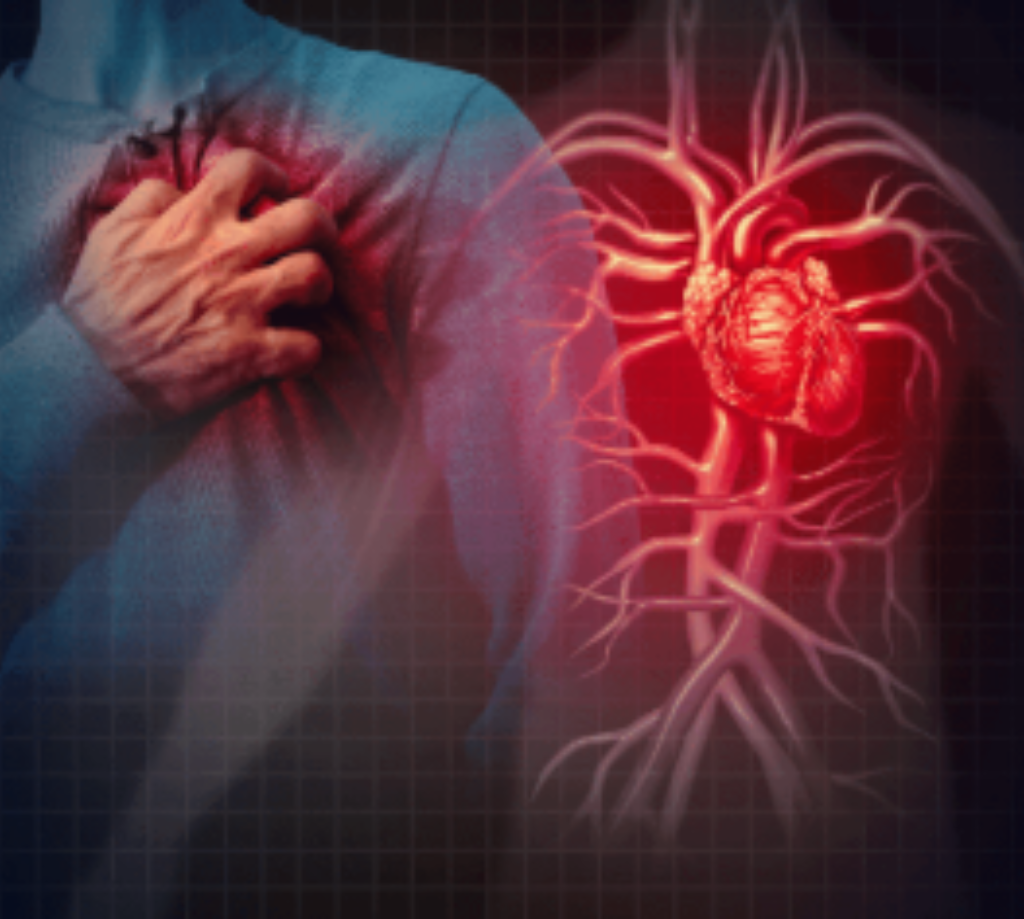
When someone suddenly collapses or experiences severe chest pain, people often use the terms “heart attack” and “cardiac arrest” interchangeably. However, these two medical emergencies are not the same. Understanding the difference between a heart attack and cardiac arrest can help save lives, as both conditions require immediate medical attention but occur in different ways.
Knowing the warning signs, causes, and treatment options can help individuals respond quickly and reduce the risk of serious complications. In this blog, we will explain the key differences between a heart attack and cardiac arrest in simple terms.
What Is a Heart Attack?
A heart attack, medically known as myocardial infarction, occurs when blood flow to a part of the heart muscle becomes blocked. This blockage is usually caused by the buildup of fat, cholesterol, and plaque inside the coronary arteries.
The heart muscle needs a continuous supply of oxygen-rich blood to function properly. When an artery becomes blocked, the affected part of the heart does not receive enough oxygen. If treatment is delayed, the heart muscle can become damaged permanently.
Common Causes of a Heart Attack
Several factors can increase the risk of a heart attack, including:
- High blood pressure
- High cholesterol
- Smoking
- Diabetes
- Obesity
- Stress
- Lack of physical activity
- Family history of heart disease
An unhealthy lifestyle and poor dietary habits can also contribute to artery blockage over time.
Symptoms of a Heart Attack
Heart attack symptoms may vary from person to person. Some people experience severe symptoms, while others may have mild discomfort.
Common warning signs include:
- Chest pain or pressure
- Pain spreading to the arm, neck, jaw, or back
- Shortness of breath
- Nausea or vomiting
- Excessive sweating
- Dizziness
- Fatigue
In some cases, especially in women and diabetic patients, symptoms may be subtle and mistaken for indigestion or acidity.
What Is Cardiac Arrest?
Cardiac arrest occurs when the heart suddenly stops beating properly due to an electrical malfunction. As a result, blood flow to the brain, lungs, and other vital organs stops immediately.
Unlike a heart attack, cardiac arrest happens suddenly and often without warning. A person experiencing cardiac arrest becomes unconscious within seconds and stops breathing normally.
Without immediate treatment such as CPR and defibrillation, cardiac arrest can lead to death within minutes.
Causes of Cardiac Arrest
Cardiac arrest is commonly caused by abnormal heart rhythms known as arrhythmias. The most dangerous type is ventricular fibrillation, where the heart quivers instead of pumping blood effectively.
Other causes include:
- Previous heart attack
- Heart failure
- Cardiomyopathy
- Severe blood loss
- Drug overdose
- Electric shock
- Congenital heart defects
- Severe electrolyte imbalance
Sometimes, a heart attack can trigger cardiac arrest if the heart’s electrical system becomes unstable.
Symptoms of Cardiac Arrest
Cardiac arrest symptoms are sudden and dramatic. These include:
- Sudden collapse
- No pulse
- Loss of consciousness
- No breathing or abnormal breathing
- Unresponsiveness
Some people may experience warning symptoms such as chest discomfort, dizziness, or shortness of breath before collapsing, but in many cases, cardiac arrest occurs without prior signs.
Key Difference Between Heart Attack and Cardiac Arrest
Although both conditions involve the heart, they are very different medical emergencies.
Heart Attack
- Caused by blocked blood flow to the heart
- Heart usually continues beating
- Symptoms may develop gradually
- Person may remain conscious
- Requires urgent medical treatment
Cardiac Arrest
- Caused by electrical malfunction in the heart
- Heart suddenly stops pumping
- Symptoms occur suddenly
- Person becomes unconscious immediately
- Requires immediate CPR and emergency response
A simple way to understand the difference is:
A heart attack is a circulation problem, while cardiac arrest is an electrical problem.
Can a Heart Attack Lead to Cardiac Arrest?
Yes, a heart attack can sometimes trigger cardiac arrest. When blood supply to the heart muscle is severely reduced, it may interfere with the heart’s electrical signals, causing dangerous arrhythmias.
However, not every heart attack results in cardiac arrest. Many heart attacks are treatable when diagnosed early.
What To Do During a Heart Attack
If you suspect someone is having a heart attack:
- Call emergency medical services immediately.
- Help the person sit down and stay calm.
- Loosen tight clothing.
- If advised by a doctor, give aspirin to help reduce clotting.
- Do not ignore symptoms or wait for them to disappear.
Quick medical intervention can prevent severe heart damage and improve survival rates.
What To Do During Cardiac Arrest
Cardiac arrest requires immediate action.
Follow these steps:
- Call emergency medical services immediately.
- Start CPR (cardiopulmonary resuscitation).
- Use an AED (Automated External Defibrillator) if available.
- Continue CPR until medical professionals arrive.
Immediate CPR can double or even triple survival chances in some cases.
Diagnosis and Treatment
Heart Attack Diagnosis
Doctors may use:
- ECG (Electrocardiogram)
- Blood tests
- Echocardiogram
- Coronary angiography
Heart Attack Treatment
Treatment may include:
- Blood-thinning medications
- Angioplasty
- Stent placement
- Lifestyle changes
- Heart medications
Cardiac Arrest Diagnosis
Cardiac arrest is usually identified by:
- Sudden collapse
- Absence of pulse
- Lack of breathing
Cardiac Arrest Treatment
Emergency treatment includes:
- CPR
- Defibrillation
- Advanced cardiac life support
- Implantable cardioverter defibrillator (ICD) in some patients
How To Prevent Heart Problems
Preventing heart disease requires a healthy lifestyle and regular medical checkups.
Important prevention tips:
- Eat a heart-healthy diet
- Exercise regularly
- Avoid smoking and alcohol abuse
- Control blood pressure and cholesterol
- Maintain a healthy weight
- Manage diabetes properly
- Reduce stress
- Get regular heart screenings
People with symptoms like chest pain, breathlessness, or irregular heartbeat should consult a specialist immediately. Seeking guidance from the best cardiologist in Baruipur, Kolkata can help identify heart-related issues early and reduce the risk of serious complications.
Importance of Early Awareness
Many people fail to recognize early signs of heart emergencies. Delayed treatment is one of the major reasons for increased complications and mortality.
Spreading awareness about the differences between heart attack and cardiac arrest can help individuals respond quickly during emergencies. Educating family members about CPR and basic first aid can also save lives.
Conclusion
Heart attack and cardiac arrest are serious medical emergencies, but they are not the same condition. A heart attack occurs when blood flow to the heart is blocked, while cardiac arrest happens when the heart suddenly stops beating due to an electrical malfunction.
Recognizing symptoms early and seeking immediate medical help can make a major difference in survival and recovery. Maintaining a healthy lifestyle, attending regular health checkups, and understanding warning signs are essential steps toward protecting heart health.
Awareness, prevention, and quick action are the keys to reducing the risks associated with both heart attack and cardiac arrest.