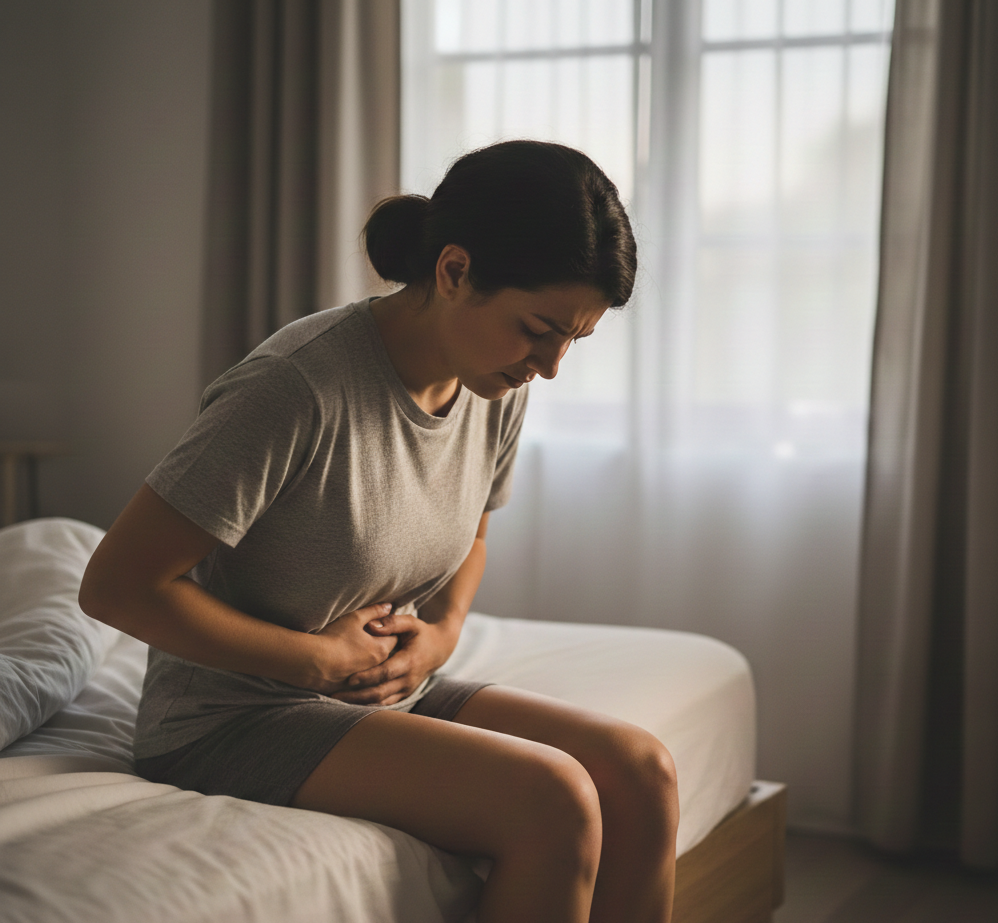
Living with irritable bowel syndrome (IBS) can be frustrating, confusing, and at times overwhelming. One day you feel fine, and the next you’re dealing with bloating, abdominal pain, constipation, diarrhea, or an uncomfortable mix of both. Many people search endlessly for answers, wondering whether IBS can truly be cured—or if it’s something they’ll have to live with forever.
The good news is this: while IBS may not always have a single “permanent cure,” it can be effectively controlled and managed, allowing most people to live a normal, comfortable life. With the right combination of diet, lifestyle changes, medical guidance, and gut-focused care, IBS symptoms can significantly improve and even stay in remission for long periods.
This guide explains how to cure irritable bowel syndrome in a practical, realistic way, focusing on what actually works.
What Is Irritable Bowel Syndrome?
Irritable bowel syndrome is a functional digestive disorder that affects how the gut works, rather than causing visible damage to the intestines. This means standard tests like scans or blood reports may appear normal, even though symptoms are very real.
Common IBS symptoms include:
- Abdominal pain or cramping
- Bloating and gas
- Constipation, diarrhea, or alternating between both
- A feeling of incomplete bowel movement
- Symptoms that worsen after meals or during stress
IBS is not life-threatening and does not increase the risk of cancer, but it can significantly affect daily comfort and quality of life if left unmanaged.
Can Irritable Bowel Syndrome Be Cured Permanently?
This is one of the most common questions people ask. The honest answer is: IBS does not have a universal permanent cure, but it can be controlled so well that symptoms become minimal or disappear for long periods.
Think of IBS like a condition that needs long-term gut balance, not a one-time treatment. Many patients experience long symptom-free phases once triggers are identified and managed properly. The key lies in understanding your body and following a personalized approach rather than a generic solution.
Common Causes and Triggers of IBS
IBS develops due to a combination of factors, and these can vary from person to person.
1. Gut–Brain Connection
The digestive system and brain are closely linked. Stress, anxiety, and emotional pressure can directly affect bowel movements and gut sensitivity.
2. Food Sensitivities
Certain foods may trigger symptoms even if you’re not allergic to them. These triggers are highly individual.
3. Altered Gut Motility
In IBS, food may move too fast (causing diarrhea) or too slowly (causing constipation) through the intestines.
4. Gut Microbiome Imbalance
An imbalance of good and bad bacteria in the gut can worsen IBS symptoms.
5. Hormonal Changes
This is why IBS is more common in women and symptoms may worsen during menstrual cycles.
Understanding these triggers is the foundation of effective IBS management.
Types of IBS and Why Treatment Depends on It
IBS is not the same for everyone. Identifying the type helps tailor treatment:
- IBS-C: Constipation-predominant
- IBS-D: Diarrhea-predominant
- IBS-M: Mixed symptoms
- IBS-U: Unclassified
A GI specialist in Kolkata will usually assess your symptom pattern before recommending treatment, as medication and diet differ for each type.
Dietary Changes That Help Cure IBS Symptoms
Diet plays one of the biggest roles in IBS control.
Low FODMAP Diet
This is one of the most effective dietary approaches for IBS. FODMAPs are fermentable carbohydrates that can cause bloating, gas, and discomfort.
Common high-FODMAP foods include:
- Onions, garlic
- Wheat-based products
- Milk and soft cheeses
- Certain fruits like apples and mangoes
A gut health specialist can guide you through elimination and reintroduction so your diet stays balanced.
IBS-Friendly Eating Habits
- Eat smaller, regular meals
- Chew food slowly
- Avoid overeating
- Limit caffeine, alcohol, and carbonated drinks
For Indian patients, adjusting traditional diets rather than completely changing them often works best.
Lifestyle Changes That Improve IBS Long-Term
Stress Management
Stress is not “just in the mind” when it comes to IBS. It directly affects gut nerves. Techniques like meditation, breathing exercises, and mindfulness can reduce symptom flare-ups.
Physical Activity
Regular walking, yoga, or light exercise improves bowel movement and reduces bloating.
Sleep Quality
Poor sleep can worsen digestive symptoms. Maintaining a consistent sleep routine helps regulate gut function.
Medical Treatment Options for IBS
While lifestyle changes are crucial, medication may be needed in many cases, especially during flare-ups.
A gastroenterologist in Kolkata may prescribe:
- Antispasmodics for abdominal cramps
- Medicines to regulate bowel movement
- Probiotics to improve gut bacteria
- Short-term medications for diarrhea or constipation
Medication is usually combined with diet and lifestyle changes for best results, not used alone.
Natural and Home Remedies for IBS Relief
Many people find relief through supportive natural methods alongside medical care.
Helpful options include:
- Increasing soluble fiber (like oats or psyllium husk)
- Drinking enough water
- Herbal teas such as peppermint tea
- Gentle yoga poses for digestion
It’s important not to self-medicate with herbal products without guidance, as some can worsen symptoms.
The Role of Mental Health in IBS Recovery
IBS is closely linked to emotional well-being. Anxiety, chronic stress, and unresolved emotional strain can keep the gut in a constant “alert mode.”
Therapies such as:
- Cognitive Behavioral Therapy (CBT)
- Relaxation therapy
- Guided meditation
have shown strong benefits in reducing IBS severity. Treating the mind often leads to improvement in gut symptoms.
How Long Does It Take to See Improvement?
IBS improvement doesn’t happen overnight. Most people notice:
- Initial relief within a few weeks
- Significant improvement within 2–3 months
- Long-term stability with consistent habits
Tracking food intake, symptoms, and stress levels helps identify patterns and prevents future flare-ups.
When Should You See a Gastroenterologist?
You should consult a GI specialist in Kolkata if:
- Symptoms persist despite lifestyle changes
- You experience unexplained weight loss
- There is blood in stool
- Pain wakes you up at night
- Symptoms interfere with daily life
A proper diagnosis ensures symptoms are due to IBS and not another digestive condition.
Can IBS Be Prevented From Coming Back?
While IBS can recur, flare-ups can often be prevented by:
- Avoiding known food triggers
- Managing stress consistently
- Maintaining gut-friendly eating habits
- Following medical advice during early symptom return
Many patients live symptom-free for years once they understand their personal triggers.
Irritable bowel syndrome may not have a single magic cure, but it is one of the most manageable digestive conditions with the right approach. By combining dietary changes, stress management, lifestyle improvements, and guidance from a qualified gastroenterologist in Baruipur, Kolkata or gut health specialist, most people can gain long-term control over their symptoms.
If IBS is affecting your daily life, seeking professional help is not a weakness—it’s the first step toward feeling better, eating comfortably, and living without constant digestive worry.
FAQS
-
Is IBS a lifelong condition?
IBS is chronic but manageable. Many people experience long symptom-free periods.
-
Can IBS be cured naturally?
Natural methods help control symptoms, but medical guidance is often needed for best results.
-
Is IBS dangerous?
A. No, IBS is not life-threatening, but it can affect quality of life.
-
Can IBS turn into cancer?
No, IBS does not increase cancer risk.
-
Does IBS affect life expectancy?
No, IBS does not reduce life expectancy.